
Retainer Replacement Care Guide: Your Smile’s Best Friend for Life!
A Comprehensive Guide from Callan Orthodontics
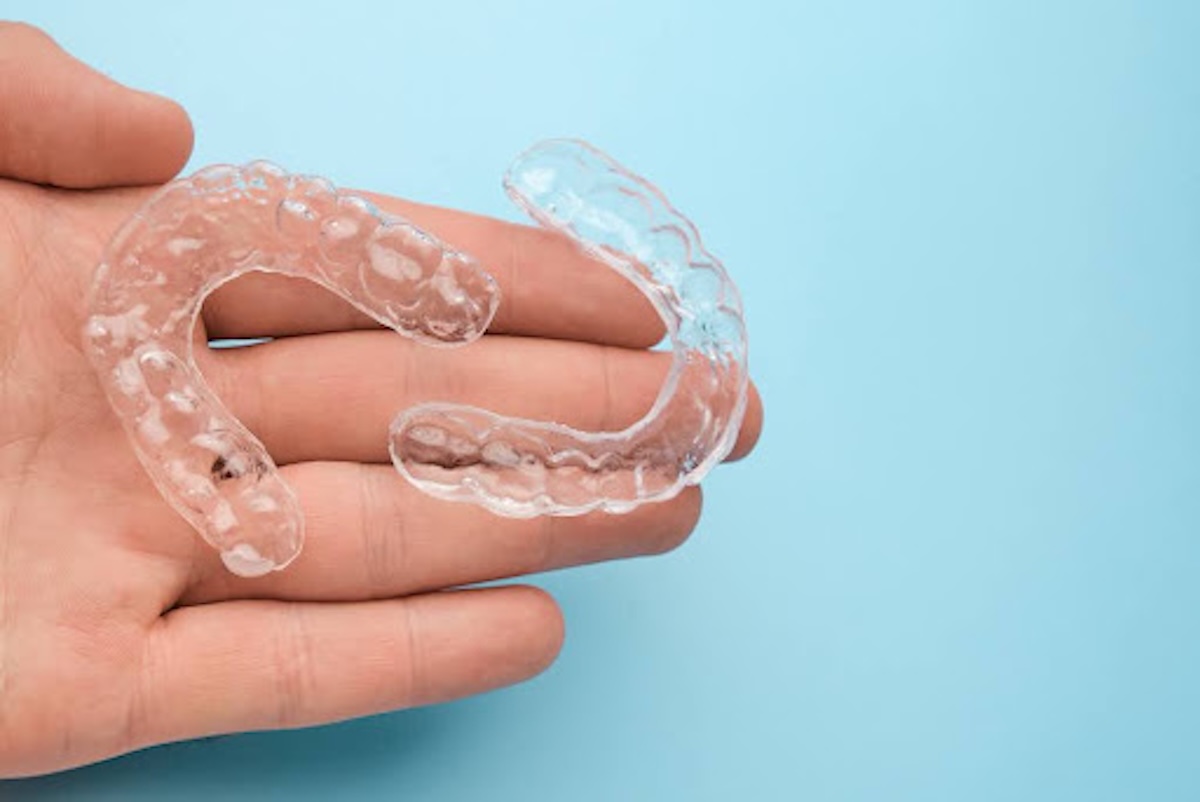
Congratulations on your beautiful new smile! At Callan Orthodontics, we know that the journey doesn’t end when your braces or aligners come off, and maintaining your results is just as important as achieving them.
Retainers are custom-made devices designed to keep your teeth in their ideal positions after orthodontic treatment, so your hard-earned smile lasts a lifetime. Consistent retainer wear is the key to preventing unwanted shifting and preserving your results for years to come.
If your retainer is lost, damaged, or no longer fits – don’t worry! The team here at Callan Orthodontics has you covered. We offer a range of in-house, customized retainer replacement options, including removable and bonded styles. Whether you prefer a discreet, nearly invisible look or a more classic design, we’ll help you choose the best option to keep your smile at its best!
Why Do Teeth Move After Braces? Orthodontic Retention Explained
Teeth aren’t fixed in place for life. Throughout your lifetime, your teeth naturally shift due to everyday forces like chewing, speaking, and even slight pressure changes from your lips, gums, and tongue.
Periodontal Ligaments and Bone
This movement is possible because of periodontal ligaments, which act as tiny elastic bands holding your teeth in their sockets. These ligaments, along with the surrounding bone, are constantly remodeling in response to pressure and changes in your mouth. Additionally, as we age, our jaw structure can subtly change, which may also influence the position of our teeth.
Post-Treatment Movement
After your braces or aligners come off, your teeth are especially vulnerable to shifting. The first 3-6 months post-treatment are the most critical, as your teeth and supporting bone need time to stabilize in their new positions. During this period, consistent retainer wear is non-negotiable.
But remember: retention is a lifelong commitment as teeth can shift at any age, so wearing your retainer as directed is the best way to protect your investment. If you notice significant movement or your retainer no longer fits, it’s important to consult an experienced orthodontist like Dr. Callan. Sometimes, a retainer replacement is all you need, but in cases of major shifting, another round of limited orthodontic treatment may be recommended.
Types of Retainers
Here’s a closer look at the types of retainers we provide and what you can expect from each.
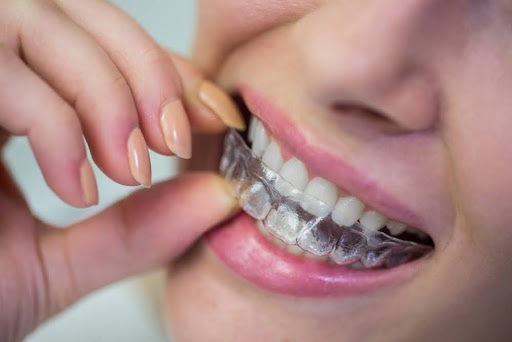
Clear Plastic Retainers (Essix-Style)
These retainers are made from a thin, transparent plastic that fits snugly over your teeth, making them virtually invisible.
Pros:
- Discreet and nearly invisible
- Comfortable and easy to wear
- Simple to clean
Cons:
- Can be lost or damaged if not handled carefully
- May need to be replaced more frequently than other types
- Not adjustable if minor tooth movement occurs
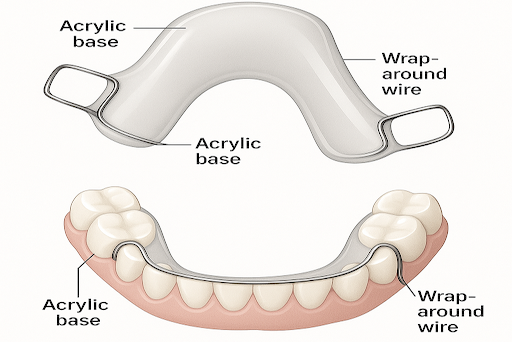
Wire and Acrylic Retainers (Hawley-Style)
Hawley retainers feature a sturdy acrylic base that sits against the roof of your mouth (or behind your lower teeth) and a thin metal wire that wraps around the front.
Pros:
- Durable and long-lasting
- Adjustable for minor tooth movement
- Easy to repair if damaged
Cons:
- More visible than clear retainers
- May feel bulkier in the mouth
- It can affect speech initially
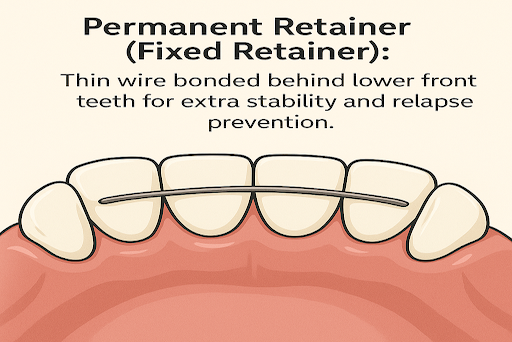
Permanent Retainers
Fixed retainers consist of a thin wire that is bonded to the back of your teeth, usually on the lower front teeth. We recommend them for patients at a higher risk of relapse or when extra stability is needed.
Pros:
- Always working, with no need to remember to wear it
- Invisible from the front
- Provides strong, continuous support for the lower front teeth
Cons:
- It can be harder to clean around (requires special flossing)
- May break or detach and need repair
- Not adjustable for minor tooth movement
Best Practices for Retainer Care
Keeping your retainer clean and in good condition is essential for protecting your smile. Follow these best practices to get the most out of your retainer and maintain your orthodontic results!
Daily Wear Schedule
| 1: Full-Time Wear | 2: Nighttime Wear | 3: Long-Term Maintenance |
| After your treatment, you’ll typically need to wear your retainer full-time (22+ hours a day), removing it only for eating, drinking, and cleaning. | After the initial period, your orthodontist will advise when you can switch to wearing your retainer only at night. | Nightly wear is usually recommended for life to prevent your teeth from shifting. |
How to Clean Retainers
| Daily Deep Cleaning | Weekly Deep Cleaning | Products to Avoid |
| Gently brush your retainer every day with a soft toothbrush and mild soap. Avoid using toothpaste, as it can be abrasive. | Soak your retainer once a week in a retainer cleaning solution or a mixture of water and mild dish soap. | Never use hot water, bleach, or harsh chemicals, as these can warp or damage your retainer. |
Safe Storage and Handling
| Always Use Your Retainer Case | Keep Away from Heat Sources | Pet Safety |
| When not in use, store your retainer in its case to prevent loss or damage. | Avoid leaving your retainer in hot cars, near radiators, or in direct sunlight, as heat can cause it to warp. | Pets love to chew on retainers! Always keep your case out of reach of dogs and cats. |
What to Do When Eating and Drinking
| Remove Before Meals | Water is Okay | Never Wrap in Napkins/Tissues |
| Always take your retainer out before eating to avoid damage and buildup of food particles. | You can drink water with your retainer in, but remove it for all other beverages to prevent staining and warping. | Retainers can easily be thrown away by accident. Use your case instead! |
Common Retainer Issues
Even with excellent care, it’s normal to experience occasional issues with your retainer. Here’s what you need to know about the most common concerns and how to address them.
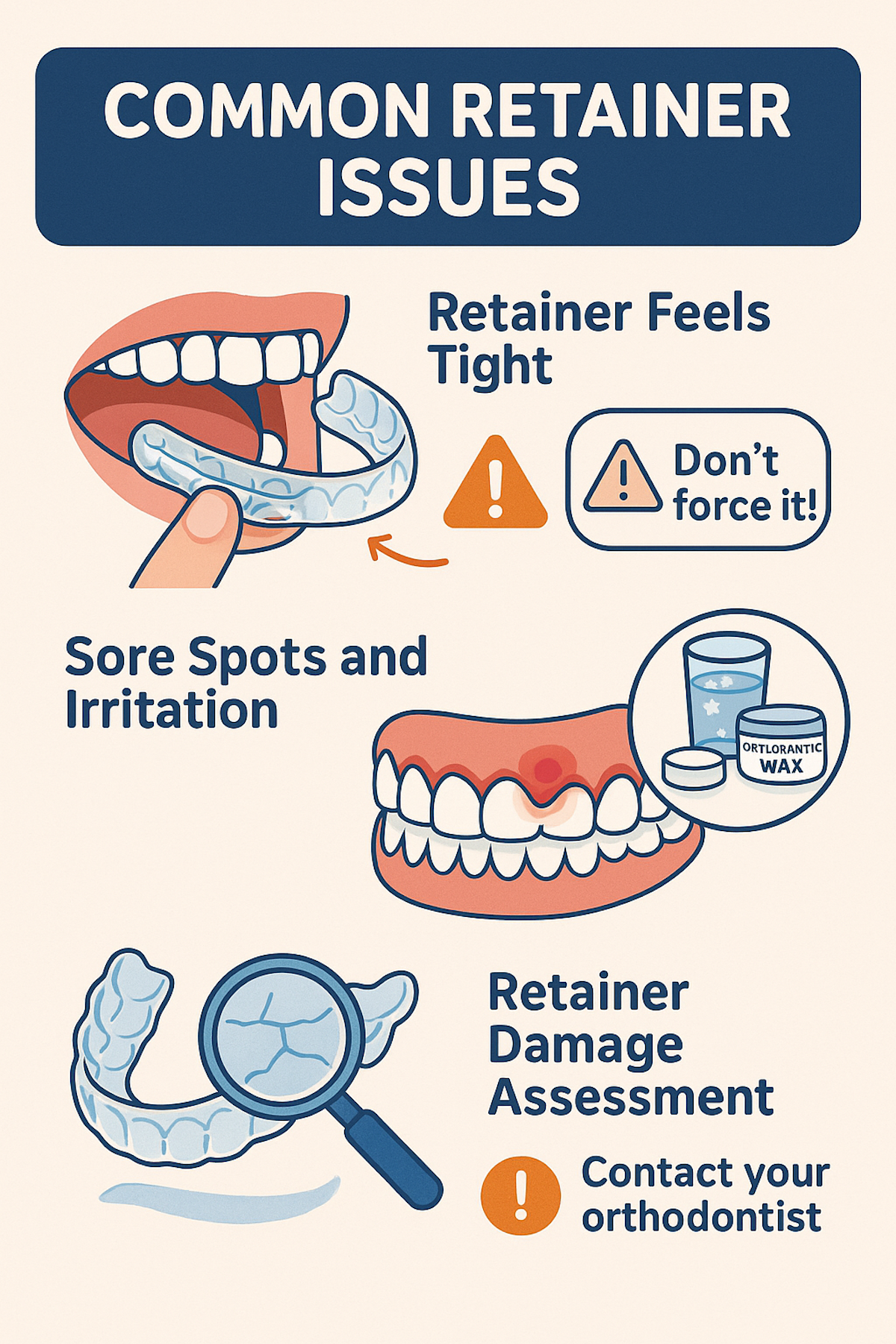
Retainer Feels Tight
A retainer may feel tight, especially if you haven’t worn it for a while. Some snugness is normal and usually means your retainer is doing its job. However, if the tightness is painful (or you can’t get the retainer on at all), your teeth may have shifted.
In these cases, it’s essential to contact our office immediately for a retainer replacement. If your retainer is just a little tight, try wearing it for shorter periods and gradually increase the time as your teeth adjust. Never force a retainer into place, as this can cause damage!
Sore Spots and Irritation
It’s common to experience mild discomfort or sore spots when you first start wearing a new retainer. This usually improves within a few days as your mouth adjusts. If irritation persists or you develop sores that don’t heal, your retainer may need to be adjusted by our team.
In the meantime, rinsing with warm salt water or using orthodontic wax will help provide temporary relief until you’re able to come in for an adjustment.
Retainer Damage Assessment
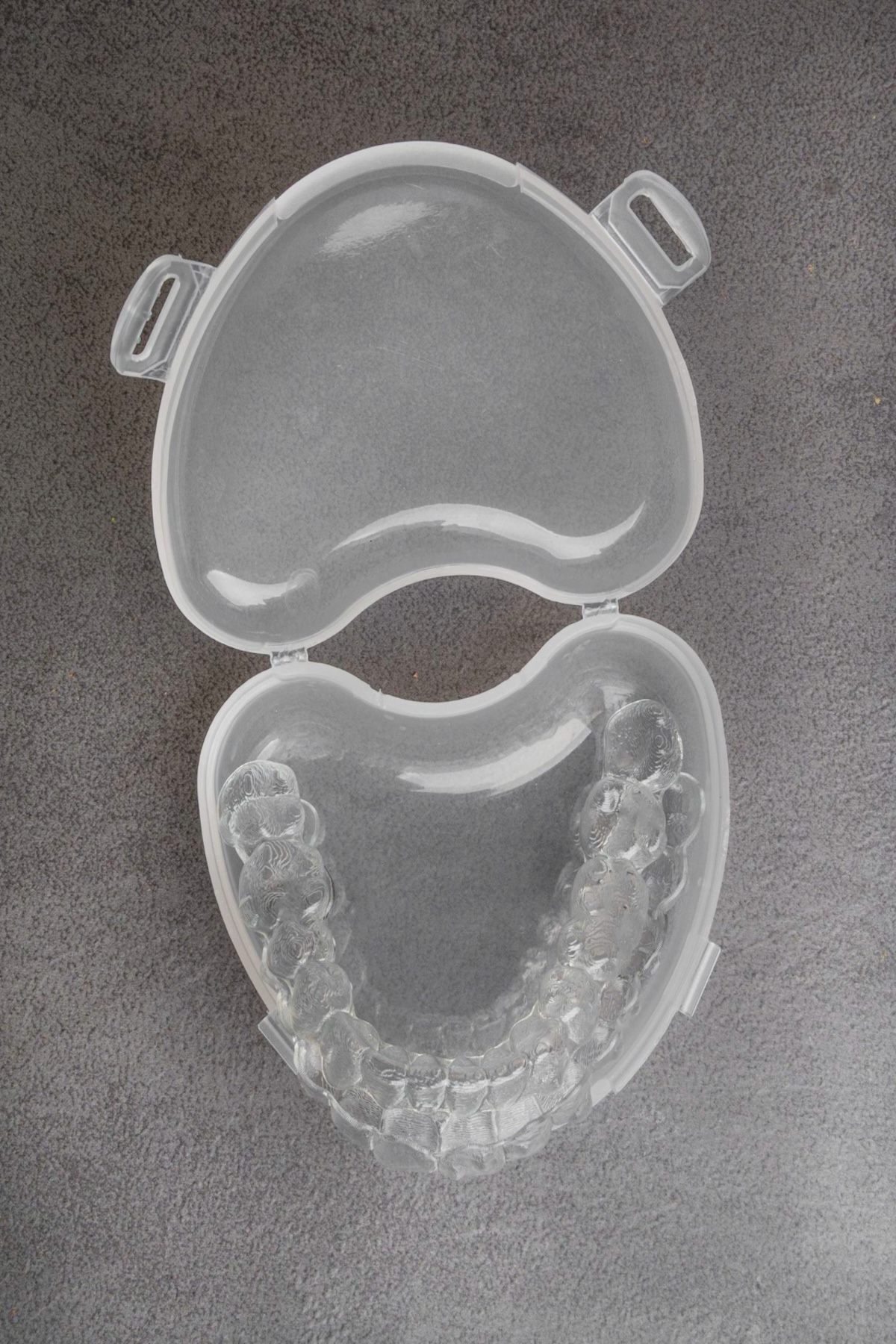
Regularly inspect your retainer for cracks, breaks, or warping. Minor scratches or small areas of wear are usually not a problem, but any damage that affects the fit or comfort should be addressed. If your retainer is broken in half, badly warped, or no longer fits properly, please contact us immediately to arrange a retainer replacement.
Continuing to wear a damaged retainer can lead to shifting teeth or further oral discomfort.
Retainer Replacement Process
There are several situations where you may need a retainer replacement. If your retainer is lost or misplaced, it’s important to act quickly to prevent your teeth from shifting. Normal wear and tear means most retainers will need to be replaced every few years. If you need a retainer replacement, the process at Callan Orthodontics is simple:
- Contact our office immediately so we can help you get started.
- Schedule an appointment for new impressions or digital scans.
- Temporary retainer options are available if you need to prevent your teeth from shifting while you wait for your new retainer.
- Fitting your new retainer is the final step. We’ll make sure it’s comfortable and effective, and answer any questions you may have about care and wear.
Timeline and Costs for Retainer Replacement
Most replacement retainers can be made within a day, though turnaround time may vary depending on the type of retainer and your specific needs. We’ll provide a clear breakdown of replacement fees, and our team will help you check your insurance coverage for possible benefits. If needed, we also offer payment plan options to make the process as affordable as possible for our patients.
Prevention Tips
With a little preparation, you can always be ready, no matter what life throws your way.
- Order a backup retainer to have on hand in case of loss or damage.
- Ask about our retainer replacement plans for added convenience and savings on future replacements.
- When traveling, always pack your retainer and case in your carry-on bag, never in checked luggage or a hot car.
- Store your retainer in its case whenever it’s not in your mouth to prevent accidental loss or damage.
Retainer Replacement FAQ
Do you have to wear retainers forever?
Teeth can shift at any age due to natural changes in your jaw and bite, as well as daily forces like chewing and speaking.
Our team recommends wearing your retainer nightly for life to maintain your results. If you stop wearing your retainer, your teeth may gradually move out of alignment, undoing the progress you made during treatment.
What happens if I forget to wear my retainer?
If you forget to wear your retainer for a week or more, you may notice that it feels tight or doesn’t fit as comfortably as before; this is a sign that your teeth have started to shift. Try to wear your retainer as soon as possible and for longer periods (full-time, if possible) until it feels comfortable again.
If your retainer no longer fits or you experience pain, contact our office right away. In some cases, you may need a retainer replacement or additional orthodontic treatment to correct any movement.
Can I eat with my retainer in?
No, you should always remove your removable retainer before eating. Eating with your retainer in can cause it to crack, warp, or become stained, and food particles can get trapped, leading to bacteria buildup and bad breath. The only exception is water, which is safe to drink while wearing your retainer.
For fixed retainers, you can eat as usual, but be cautious with very hard, sticky, or chewy foods that could damage the wire.
How do I clean my bonded retainer?
Cleaning a bonded retainer requires a bit of extra care. Brush the area around the wire thoroughly at least twice a day, using a soft-bristled toothbrush. Flossing is especially important here, so be sure to use a floss threader or special orthodontic floss to clean between your teeth and under the wire.
You can also use an interdental brush or water flosser to help remove plaque and food particles.
Will my retainer affect my speech?
It’s common to notice a slight change in your speech (such as a mild lisp) when you first start wearing a new retainer. This is usually temporary and should improve within a few days as your mouth adjusts. Practicing speaking, reading aloud, or repeating tricky words can help speed up the adjustment process.
If you continue to have trouble with your speech after a week or two, let us know, as your retainer may need a minor adjustment.
How long do retainers last?
The lifespan of a retainer depends on the type and how well it’s cared for. Clear plastic retainers typically last 1–5 years before needing replacement due to wear, warping, or cracking.
Hawley retainers can last 5–10 years or longer with proper care.
Fixed retainers can last many years, but may need repair or rebonding if the wire comes loose or breaks. Remember to regularly inspect your retainer and contact us if you notice any damage or changes in fit!
What should I do if my retainer breaks or no longer fits?
If your retainer breaks, cracks, or no longer fits properly, contact our office as soon as possible. Do not try to repair it yourself, as this can cause further damage or affect your teeth.
We’ll assess the situation and let you know if you need a retainer replacement or if an adjustment can be made. Wearing a damaged or ill-fitting retainer can lead to shifting teeth or discomfort.
Can I use toothpaste to clean my retainer?
We do not recommend using toothpaste to clean your retainer, especially clear plastic types, as most toothpastes are abrasive and can scratch or cloud the material.
Instead, use a soft toothbrush and mild soap or a retainer cleaning solution. For fixed retainers, brush and floss as directed by your orthodontist.
Can I wear my retainer during sports or physical activities?
It’s best to take out your removable retainer during contact sports or activities where it could be damaged or lost. Try to wear a properly fitted mouthguard to protect your teeth, if possible.
Smile Maintenance Made Simple
Your smile deserves lasting protection. If your retainer is lost, broken, or just not fitting like it used to, don’t wait! Callan Orthodontics makes it easy to get back on track. With our in-house expertise, personalized options, and quick turnaround, you’ll never have to worry about losing your hard-earned results.
Reach out to our team today to schedule your retainer replacement or get answers to all your retainer care questions.
Hundreds of Happy Patients

2023

2023

2024

2024


