
Clear aligner technology has completely changed how people think about straightening their teeth. The idea of shifting your smile using a series of virtually invisible, removable plastic trays sounds incredibly appealing. It is no surprise that when patients start researching orthodontic treatment their first question is almost always whether they can use clear aligners instead of traditional hardware.
While clear trays have advanced significantly over the last several years, they are still not a universal fix for every single smile. The reality is that traditional metal braces remain an important treatment option for certain types of dental movements. If you are trying to decide on braces vs Invisalign, it helps to understand why the classic bracket and wire system is still the trusted gold standard for complex situations. Let us take an honest, down-to-earth look at how these systems work, what makes a case complex, and why metal hardware might still be your most reliable path to a healthy smile.
The Core Difference: How They Move Your Teeth
To understand why clear trays sometimes fall short, you have to look at the mechanical differences between the two systems. Clear aligners work by pushing on the teeth from the outside. The plastic tray hugs the crowns of your teeth and applies gentle pressure to guide them into a new position. This works wonderfully for minor shifts, closing small gaps, and straightening out mild tipping.
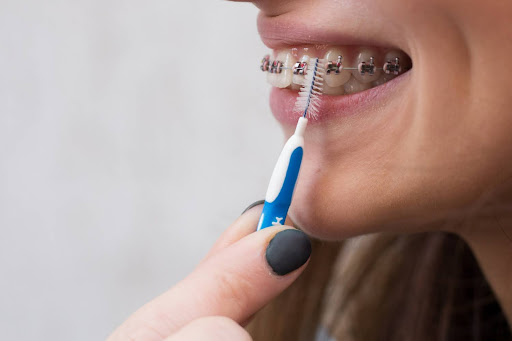
Traditional braces in work entirely differently. Instead of just pushing on the teeth, brackets are physically bonded to the center of each tooth, and an archwire runs through them. This setup gives your orthodontist a literal handle on every individual tooth. The wire can pull, lift, rotate, and torque teeth from the root up, applying continuous, highly controlled forces in multiple directions at the exact same time. This multi-directional control is exactly why metal hardware can accomplish complex physical movements that plastic trays may not predictably achieve in certain cases.
When Are Metal Braces Absolutely Necessary?
Orthodontic care is not just about making your front teeth look straight when you smile in the mirror. It is about aligning your entire jaw system so you can chew comfortably, speak clearly, and avoid premature tooth wear as you age. Certain structural issues require the heavy-duty mechanics that only traditional brackets can provide.
Severe Crowding Treatment
When a jaw is physically too small to fit all of the permanent teeth, the teeth will often twist, overlap, or grow completely out of alignment, sometimes even getting trapped high up in the gumline. Severe crowding treatment requires expanding the arch or rotating teeth drastically to create usable space. Because clear aligners rely on flat contact with the tooth surface, they can slip right past a severely rotated or overlapping tooth. Metal brackets anchor firmly to the tooth regardless of how twisted it is, allowing the wire to safely pull it into alignment.
Complex Orthodontic Cases Involving Vertical Movement
One of the hardest movements to achieve in orthodontics is vertical movement, meaning pulling a tooth down out of the gums or pushing a long tooth deeper into the jawbone. If you have an impacted canine tooth that never fully dropped into place, clear trays have a very hard time gripping that tooth to pull it down. Metal brackets can be attached directly to the exposed part of the tooth, using the strength of the archwire to gently guide it into the correct position over time.
Severe Bite Correction Braces
Your bite is how your upper and lower teeth meet when you chew. Issues like a severe overbite, an underbite, a crossbite, or an open bite where the front teeth do not touch at all are often structural jaw issues rather than just crooked teeth. Bite correction braces utilize a combination of brackets, heavy wires, and small rubber bands to physically shift the alignment of your entire jaw. While aligners can handle mild bite issues, severe discrepancies usually require the unyielding, constant anchor points that only metal hardware can provide.
Adult Braces: Choosing Reliability Over Aesthetics
A common misconception is that brackets are only for teenagers. In reality, more adults than ever are seeking orthodontic care to fix long-standing functional problems or prepare their mouths for dental implants. When looking into adult braces many patients naturally prefer the idea of invisible trays to maintain a professional appearance at work.
However, adult bone structure is completely different from a teenager’s. A teenager’s jawbone is still growing and relatively malleable, making it much easier to shift teeth with lighter forces. An adult’s jawbone is dense, fully developed, and no longer growing. Shifting adult teeth through mature bone may require more controlled and continuous force application. If an adult patient presents with a history of missing teeth, worn down enamel, or an uneven bite, metal hardware is frequently recommended because it offers the predictable control needed to move teeth safely through mature bone without causing unwanted root damage.
Why Compliance and Total Control Matter
Another major factor to weigh in the braces vs Invisalign debate is your own daily lifestyle and personality. Clear aligners are removable, which means they only work if you actually wear them for twenty two hours every single day. It is incredibly easy to accidentally leave your trays on the napkin at a restaurant, lose them during a vacation, or just forget to put them back in after your morning coffee. For many busy adults and teenagers, the pressure of constantly tracking, cleaning, and changing trays can become a source of daily stress.
Traditional brackets are permanently attached to your teeth for the duration of your treatment. There is nothing to lose, nothing to forget, and no risk of accidentally delaying your treatment timeline because you left your trays out for too long. Your orthodontist closely monitors tooth movement at each adjustment appointment. For busy families or individuals who prefer a hands-off approach, this set-it-and-forget-it approach can provide peace of mind and help keep treatment moving forward as planned.
Finding the Right Path for Your Smile
At the end of the day, there is no single treatment option that is superior for everyone. Orthodontics is a highly customized field of medicine. What worked perfectly for a friend or a family member might not be the safest or most effective choice for your unique dental structure and bone density.
The first step toward getting a healthier smile is scheduling a comprehensive evaluation with an experienced provider. Through detailed digital imaging, x-rays, and physical measurements, a clinical team can map out the exact structural relationship between your teeth, roots, and jawbones. They can then offer a realistic look at your options, helping you understand whether clear aligners will deliver the results you want or if traditional brackets are the more dependable path to give you a stable, healthy bite that lasts a lifetime.
Personalized Orthodontic Care At Callan Orthodontics
At Callan Orthodontics, every smile is unique, which is why treatment recommendations are based on a thorough evaluation of your teeth, bite, and overall oral health. Whether clear aligners or traditional braces are the better choice for your situation, the goal is always to create a healthy, functional bite and a confident smile. If you are considering orthodontic treatment schedule a consultation with Callan Orthodontics to explore the option that best fits your needs.
Frequently Asked Questions
Q: Are traditional metal braces faster than clear aligners for straightening teeth?
A: The speed of your treatment depends entirely on the complexity of your case rather than the tool used. For mild crowding, aligners can be very efficient, but for severe bite alignment or complex tooth rotations, traditional brackets are often much more effective and can lead to a shorter overall treatment timeline.
Q: Can adults wear traditional metal braces comfortably?
A: Modern brackets are significantly smaller, smoother, and more low profile than the bulky hardware used decades ago. While there is always a brief adjustment period of soreness after a wire is tightened, most adult patients adapt to wearing them within a week or two.
Q: Do metal braces cause any permanent damage to your tooth enamel?
A: Brackets themselves do not damage your enamel. However, the hardware creates extra spaces where food and plaque can easily trap. If a patient neglects brushing and flossing during treatment, plaque buildup can cause white spots or decay around the brackets. Maintaining excellent oral hygiene keeps your enamel perfectly safe.
Q: Can you switch from clear aligners to metal braces if your teeth are not moving?
A: Yes, it is possible to transition to traditional hardware if your teeth are not tracking properly in plastic trays. If a complex tooth movement stalls during aligner treatment, an orthodontist may recommend switching to brackets to gain better control over the root position.
Q: How often do you need to visit the office for adjustments with traditional hardware?
A: Most patients with traditional brackets return to the office every four to eight weeks. During these visits, the orthodontist evaluates your progress, changes out the elastic ties, and adjusts or replaces the archwire to keep your teeth moving in the right direction.