
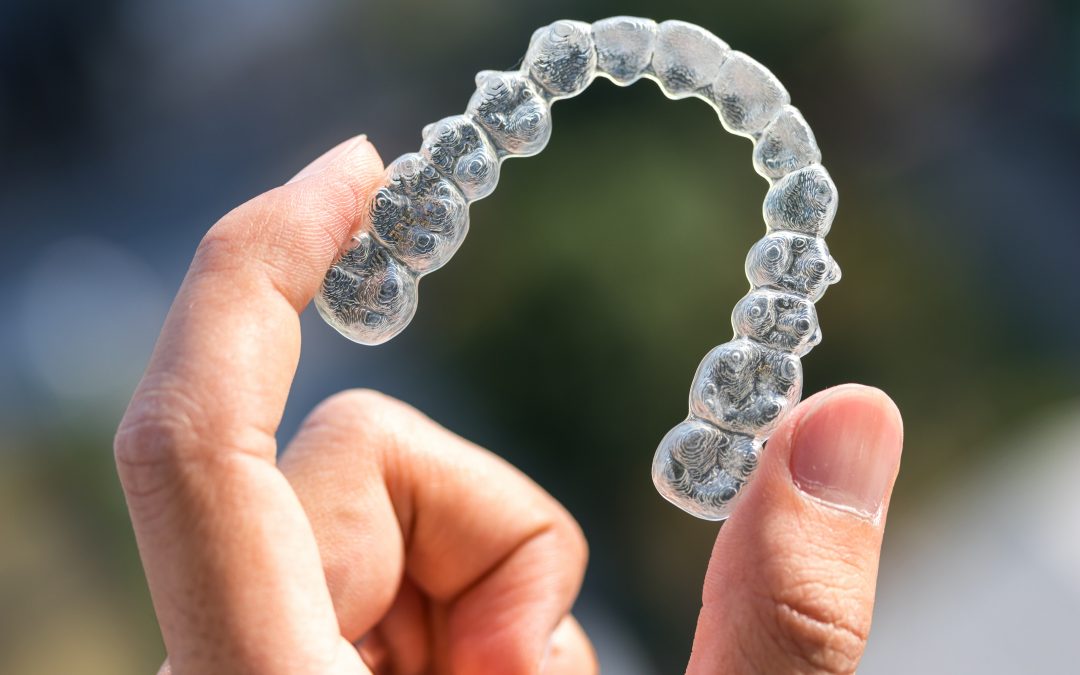
Deciding to straighten your teeth with clear aligners feels pretty liberating. Instead of dealing with fixed metal brackets and food restrictions, you simply pop in a sleek, nearly invisible tray and go about your day. For adults and teens looking into options for Invisalign this modern approach offers a nice blend of discretion and everyday convenience.
Yet clear aligners come with a unique set of responsibilities. Because the trays are completely removable, the success of your orthodontic journey rests heavily on your daily habits. It is surprisingly easy to pick up subtle shortcuts or habits that might slow down your progress without even realizing it.
Let us walk through some common pitfalls patients run into during aligner treatment, along with practical tips to help keep your smile transformation moving smoothly.
Falling Short on Daily Wear Time
The biggest trap people fall into is treating their aligners like a casual accessory rather than a medical appliance. Teeth only shift when consistent, gentle pressure is applied day and night.
Orthodontists generally recommend wearing aligners for 20 to 22 hours every day, taking them out only to eat, brush, and floss. When trays stay in their case for too long during social events, sports, or long work meetings, teeth can begin drifting back toward their original positions. Falling behind on your Invisalign wear time can quickly stall your progress and leave your trays feeling uncomfortably tight when you finally put them back in.
Neglecting Proper Aligner Cleaning Habits
Since clear plastic trays sit directly over your teeth for most of the day, they trap whatever is left inside your mouth. Sipping coffee, tea, or soda while wearing your trays can stain the plastic and coat your teeth in sugars.
Practicing good Invisalign care goes beyond a quick rinse under the tap. Using abrasive toothpaste can scratch the smooth surface of the aligners, making them look cloudy and creating microscopic grooves where bacteria can accumulate. Instead, gentle daily cleaning with specialized cleaning crystals or mild hand soap helps keep your trays clear and hygienic.
Skipping Aligner Maintenance When Eating and Drinking
It is tempting to grab a quick snack or sip flavored sparkling water without taking your trays out, figuring you will just clean them later. Unfortunately, chewing with aligners in place can warp, crack, or fracture the delicate plastic.
Additionally, trapping sugary or acidic beverages against your enamel creates an environment where plaque and tooth decay can develop more easily. Sticking to plain water while your trays are in your mouth helps protect both your aligners and your long term dental health.
Storing Trays Improperly
One of the most common hazards of removable aligners has nothing to do with your teeth and everything to do with restaurant napkins.
When you sit down for a meal, taking your trays out and wrapping them in a paper towel is a recipe for disaster. Many aligners have accidentally been thrown away this way. Always carrying your protective storage case with you helps ensure your trays have a safe place whenever they are out of your mouth.
Rushing Through Tray Transitions
It is completely normal to feel excited about seeing your final results, which can tempt some patients to switch to their next set of trays ahead of schedule. However, rushing through your Invisalign treatment timeline can place unnecessary stress on your teeth and supporting tissues.
Each tray is designed to move your teeth a precise fraction of a millimeter over a specific timeframe. Following your orthodontist’s schedule helps ensure your bone and surrounding tissues have adequate time to adapt at every stage of treatment.
How to Set Yourself Up for Aligner Success
Maximizing your results comes down to building a reliable routine. Keeping a travel toothbrush and floss in your bag makes post meal hygiene easier, and setting a reminder on your phone can help you track your daily wear time.
If you ever experience a loose attachment, a cracked tray, or a fit that feels unusual, reaching out to your care team promptly can help prevent minor issues from becoming treatment delays.
Why Patients Choose Callan Orthodontics
Navigating clear aligner treatment is much easier when you have a knowledgeable, supportive team in your corner. At Callan Orthodontics, we combine advanced digital technology with a warm, patient first approach to help ensure treatment fits seamlessly into your daily life.
Dr. Christopher Callan and our experienced staff take the time to answer your questions, monitor your progress closely, and provide personalized guidance from your very first scan to the day your final retainer is placed. We believe achieving a confident, healthy smile should feel encouraging and straightforward.
Take the Next Step Toward Your Best Smile
If you are ready to explore how clear aligners can transform your smile, we are here to help you get started.
Reach out to Callan Orthodontics today to schedule your complimentary consultation and discover personalized care designed around your goals.
Frequently Asked Questions
Q: How many hours a day should I wear my aligners?
A: For optimal results, aligners should be worn for 20 to 22 hours each day, removing them only for meals, brushing, and flossing.
Q: Can I drink hot coffee or tea while wearing my trays?
A: It is best to remove your aligners when consuming hot beverages. Hot liquids can warp the clear plastic, and trapped liquids can stain both your trays and your teeth.
Q: What should I do if I lose an aligner?
A: If an aligner is lost or damaged, contact our office as soon as possible. Depending on your stage of treatment, we can advise whether you should move to the next set or temporarily return to your previous aligner.
Q: Do clear aligners require special cleaning products?
A: Regular toothpaste can be too abrasive for aligners. Gentle hand soap, clear dish soap, or specialized aligner cleaning crystals are commonly recommended to help keep them clean.
Q: How often will I visit the orthodontist during treatment?
A: Progress checkups are typically scheduled every few weeks to monitor tooth movement, ensure your trays fit properly, and provide your next sets of aligners.